Autopilot Analyst: Forecast With Confidence.

Autopilot Analyst is an AI-powered banking analytics and forecasting platform that turns more than a decade of U.S. bank and credit union performance data, plus 15 leading economic indicators, into 4-quarter forecasts, peer benchmarks, early warning indicators, and strategic recommendations for faster, data-backed decisions.
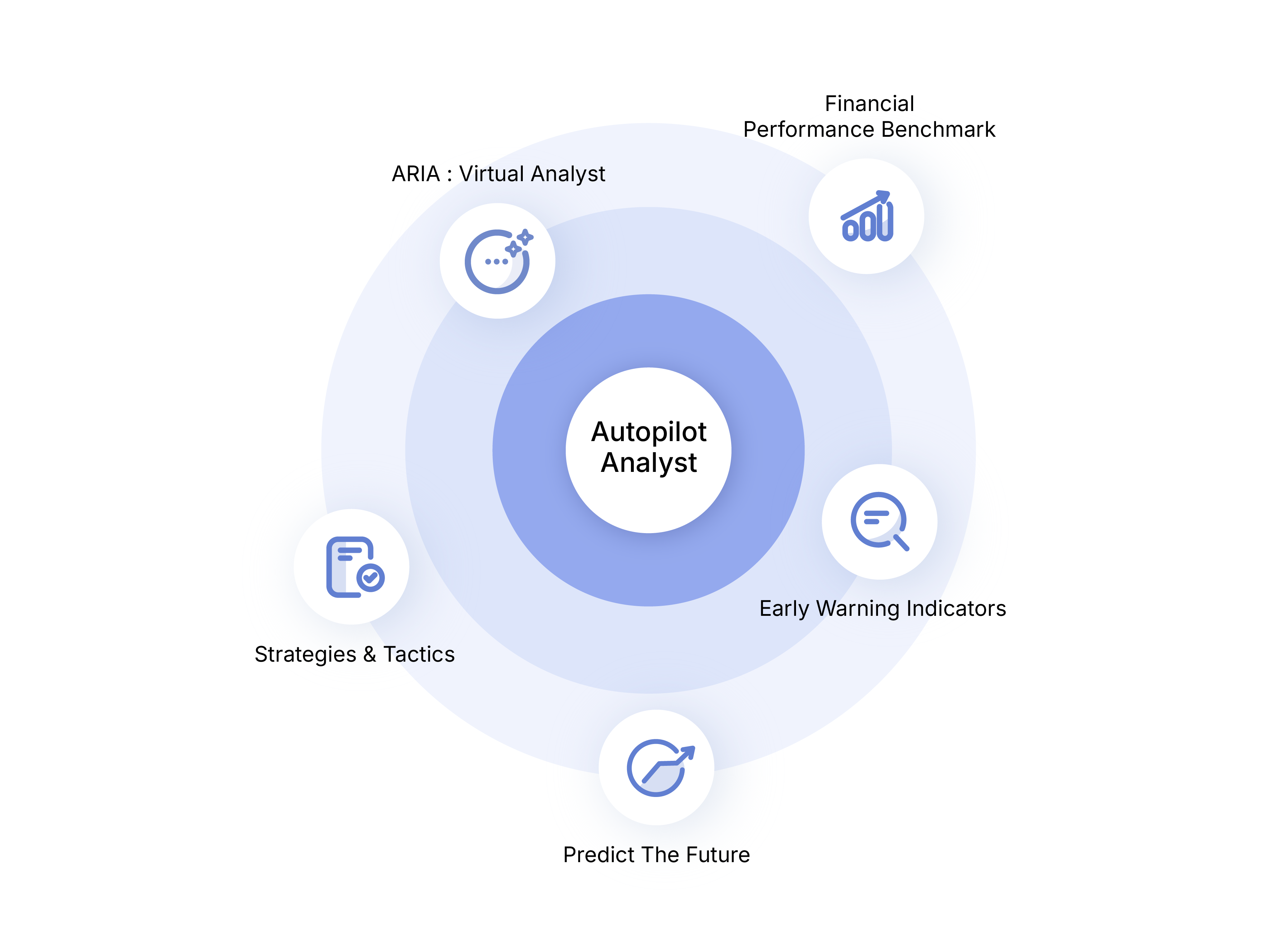
Autopilot Analyst AI banking analytics platform with ARIA Virtual Assistant, financial performance benchmarking, early warning indicators, forecasting, and strategic recommendations.
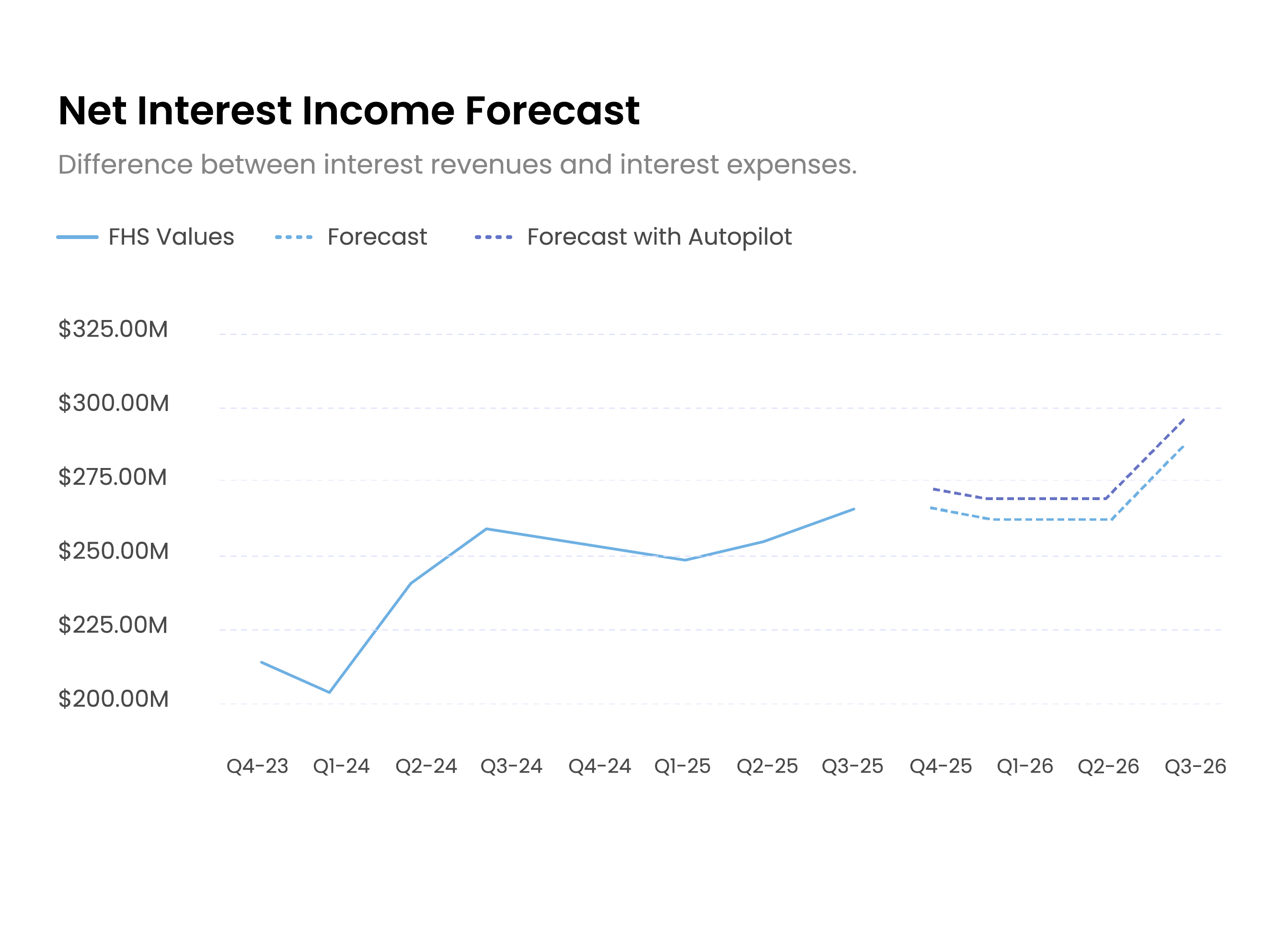
Autopilot Analyst net interest income forecast showing historical performance, projected NII, and forecasted impact of Autopilot recommendations.
Forecast Ahead.

Forecast deposits, loans, liquidity, and key financial ratios up to four quarters ahead. Model economic scenarios and make financial decisions with confidence.

Spot Risk Early.

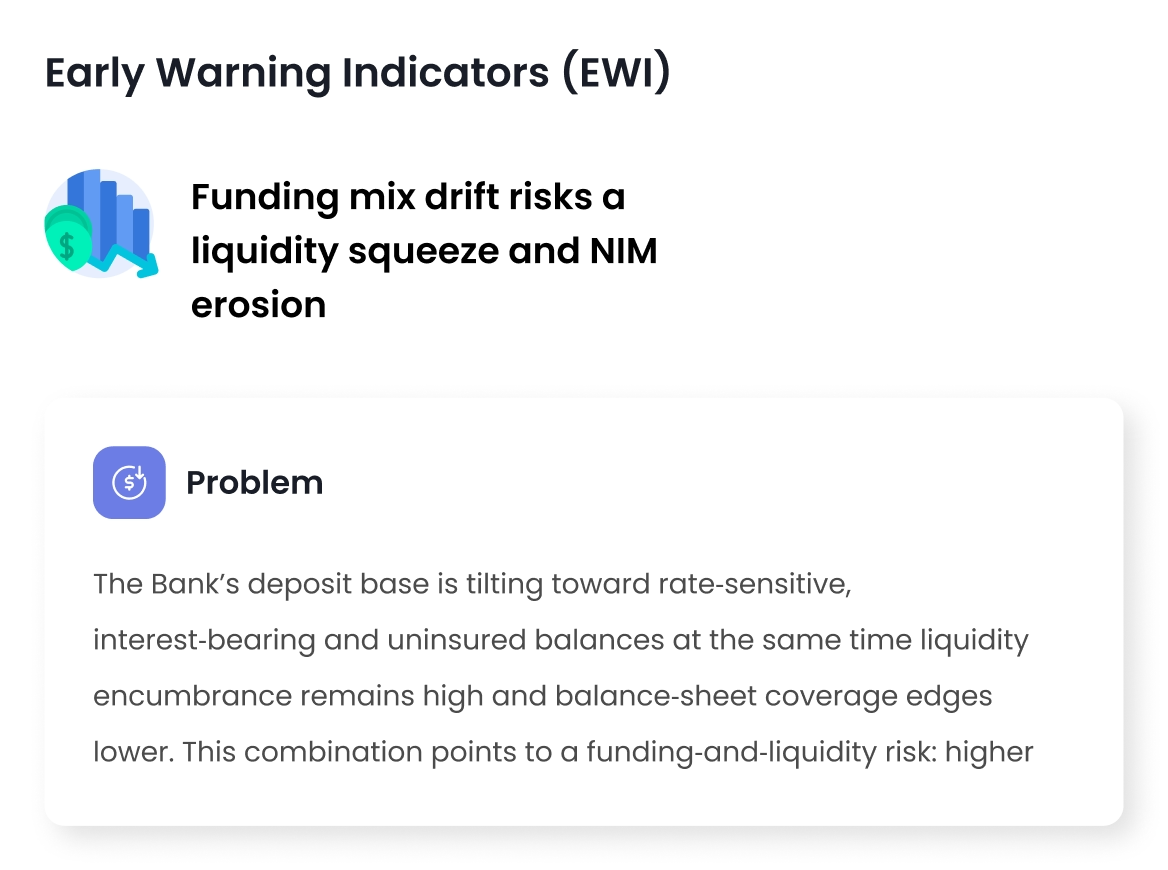
Identify emerging risks before they affect performance. Early warning indicators reveal what is changing and help act while there is still time.

Autopilot Analyst early warning indicator identifying liquidity risk, funding mix pressure, and potential net interest margin erosion.
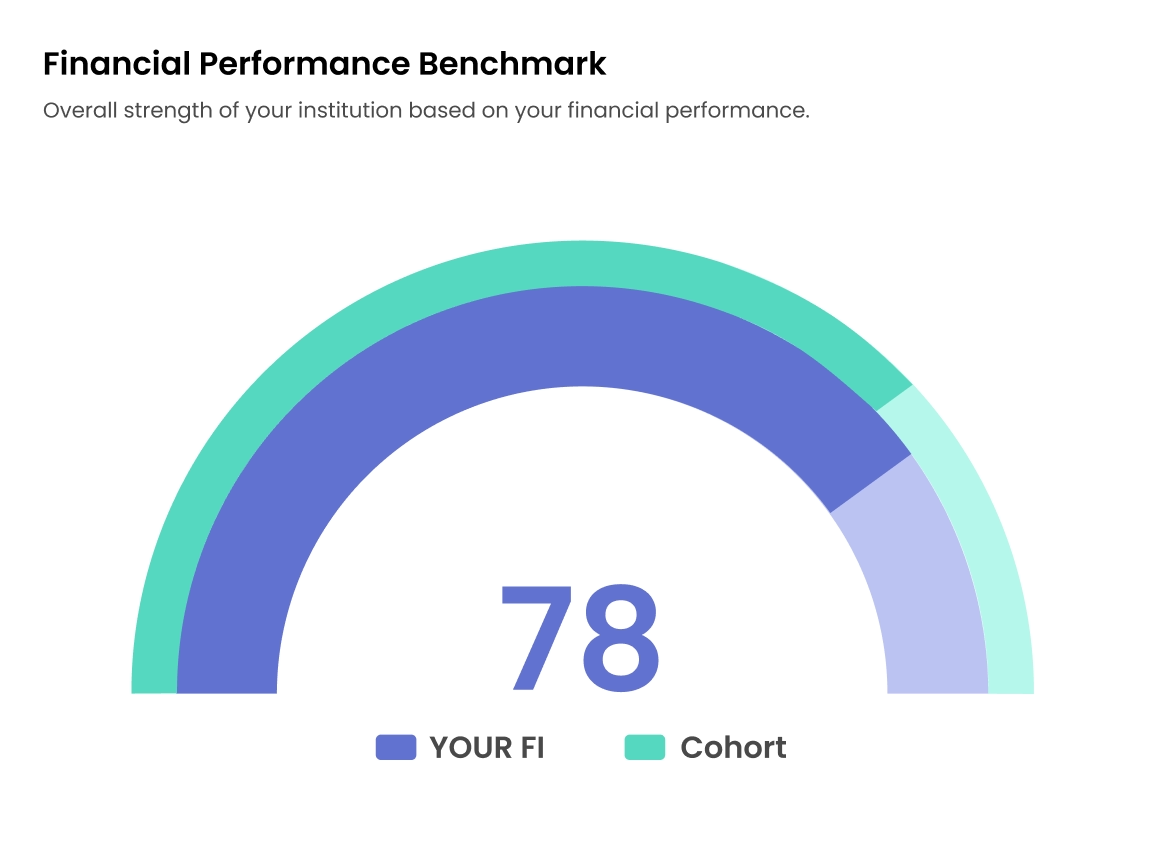
Autopilot Analyst financial performance benchmark comparing a bank or credit union’s financial health score with its peer cohort.
Benchmark Performance. 

Compare your institution with peer banks and credit unions, track performance, and use peer benchmarking to uncover opportunities.

Ask ARIA.

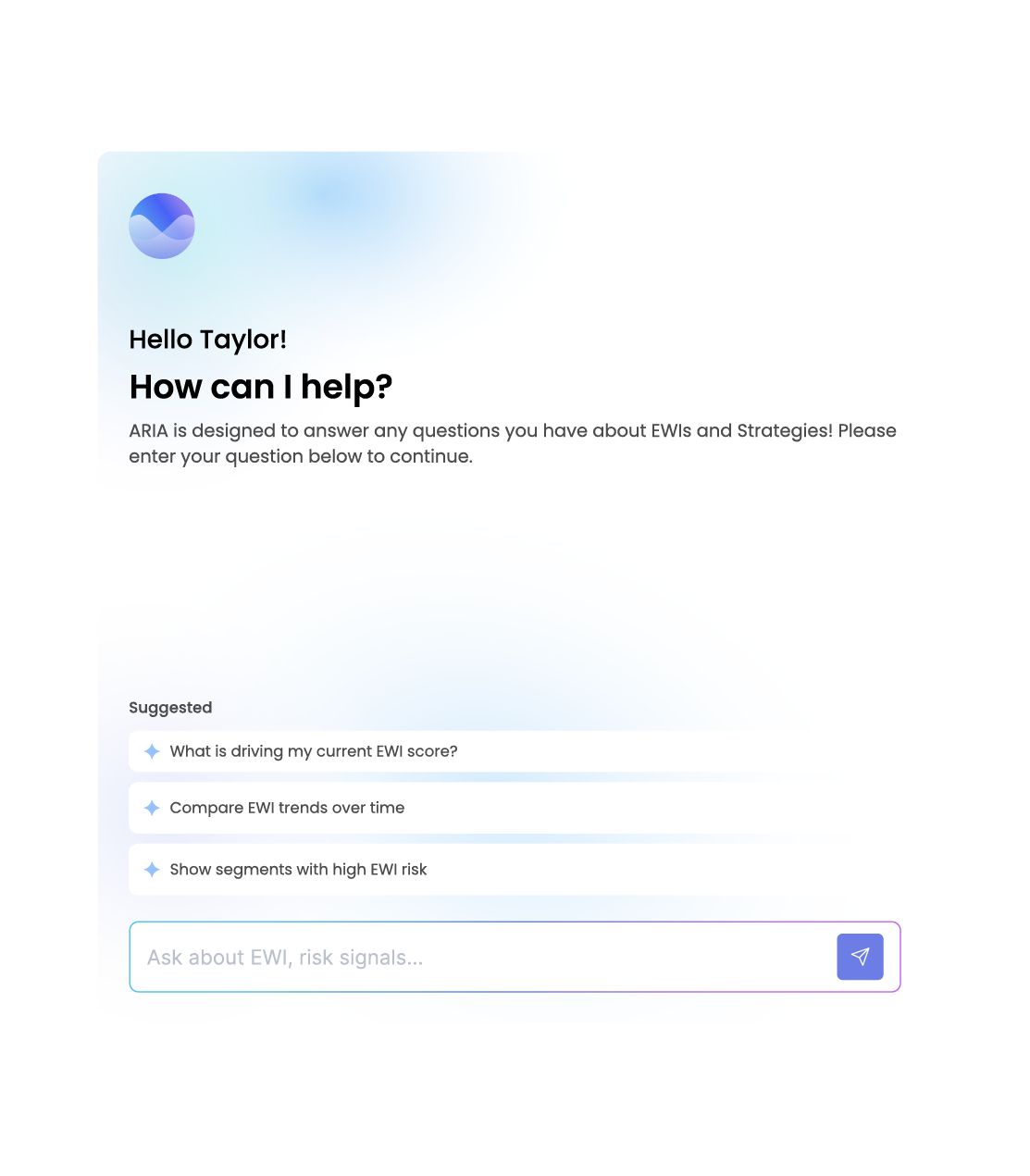
Your AI banking assistant is always ready. Ask about forecasts, peer performance, deposits, lending, or strategy and receive clear, data-backed banking insights instantly.

ARIA Virtual Assistant in Autopilot Analyst answering banking questions about early warning indicators, risk signals, trends, and strategic recommendations.
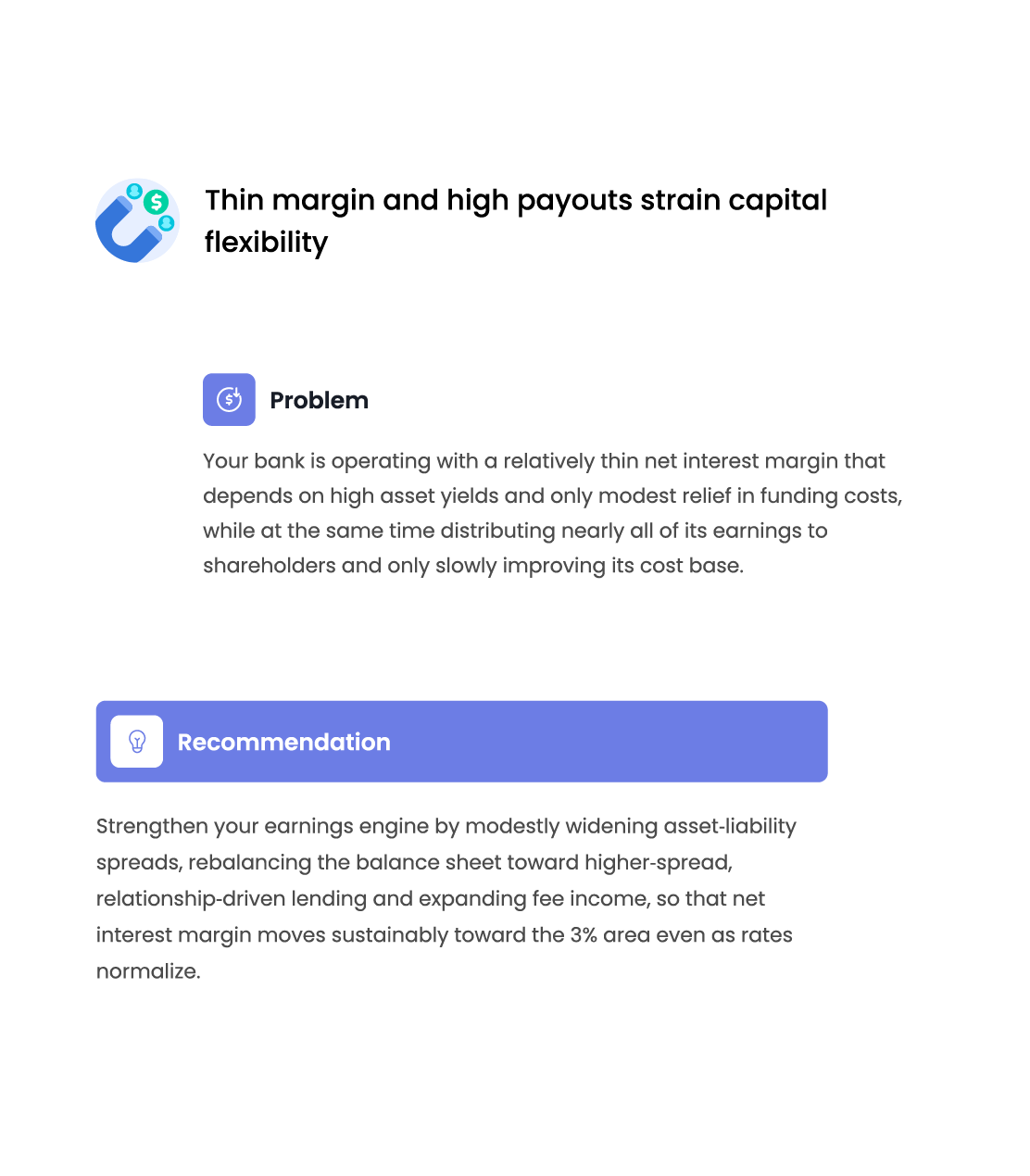
Autopilot Analyst strategy recommendation identifying net interest margin pressure and suggesting actions to improve earnings and capital flexibility.
Plan What's Next.

Turn banking analytics into action. Autopilot Analyst prioritizes short-, mid-, and long-term strategies using performance data, forecasts, peer benchmarks, and empirical evidence.